
The Shifting Paradigm of the Delhi Art Scene
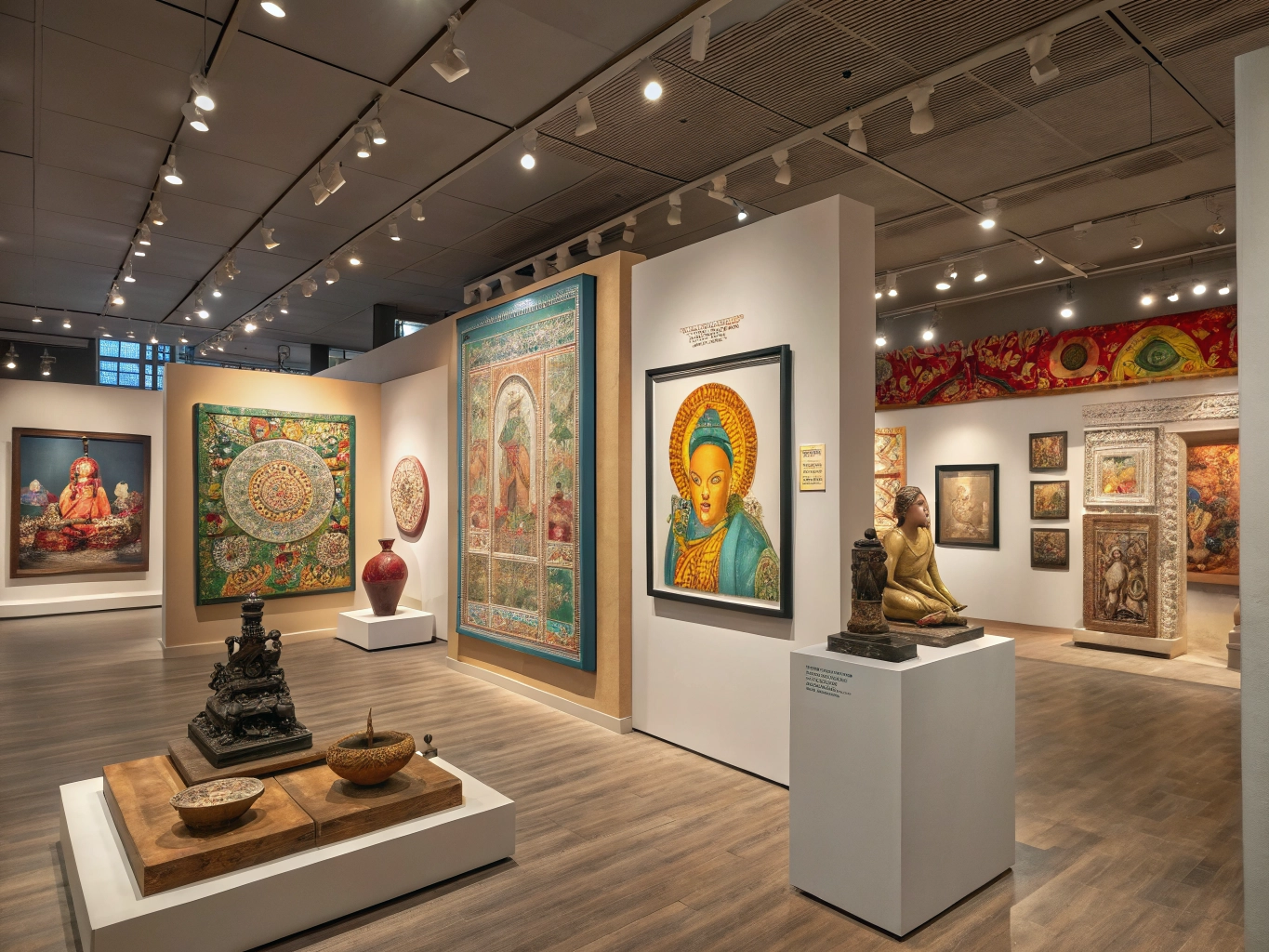
Delhi has long been recognized as a city that breathes art, history, and creative expression. From the upscale, high-ceilinged galleries of Hauz Khas Village and Lado Sarai to the dynamic public murals spanning Lodhi Art District, the capital’s cultural landscape is exceptionally rich. However, for decades, a frustrating unwritten rule governed who could actually survive and thrive within this ecosystem. If an artist did not possess deep connections within traditional gallery networks, graduating from prestigious institutions like the Delhi College of Art or Jamia Millia Islamia rarely guaranteed a sustainable career.
Traditional art exhibition spaces operate as exclusive gatekeepers, charging massive commission rates and offering highly limited wall space to a tiny circle of established names. Offline exhibitions are also short-lived, expensive to organize, and restricted to the few individuals who physically walk through the door. This old-fashioned model has left hundreds of exceptionally gifted local creators hidden in the shadows. As we navigate 2026, finding a strong, dedicated online platform for emerging artists Delhi is no longer just a digital convenience—it is a powerful strategic necessity to claim financial independence.
Bypassing the Gatekeepers: The Power of Direct Visibility
Transitioning your art portfolio to a structured, independent digital ecosystem fundamentally changes the power dynamics of the art market. It replaces the exclusive gallery ecosystem with a global, boundary-free canvas that operates continuously.
[Traditional Gallery Monopoly] ➔ High Commissions & Limited Wall Space ➔ Talented Artists Left Hidden
[Modern Online Art Platform] ➔ 24/7 Global Exposure & Direct Sales ➔ Creative Financial Independence
When an independent creator showcases their portfolio online, their audience is no longer restricted to a handful of elite collectors in South Delhi. Instead, a corporate professional in Bangalore, a new homeowner in Mumbai, or an international collector can discover, interact with, and purchase their work instantly. An online art platform democratizes appreciation, enabling creators to build a genuine community of collectors who resonate with their unique stylistic point of view, completely free from the subjective bias of traditional gallery curators.
Building Direct Value: Why Today’s Art Collectors Prefer the Internet
The shift toward digital platforms is equally driven by a massive behavioral change among modern Indian homebuyers and young professionals. For a long time, walking into a high-end physical gallery felt intensely intimidating for a casual art lover. The lack of transparent pricing, the absence of historical background information, and the elitist atmosphere discouraged young buyers from exploring original art, pushing them instead toward mass-produced, soul-less digital prints from big-box retail decor chains.
A modern digital art platform bridges this gap beautifully by providing absolute price transparency, detailed artist profiles, and curated category breakdowns. It makes buying original paintings an approachable, educational, and deeply rewarding lifecycle ritual. Collectors can comfortably explore diverse genres—ranging from bold abstract acrylics to delicate traditional watercolors—knowing exactly where their money is going, and enjoying the thrill of supporting a real independent voice.
Structural Comparison: Traditional Galleries vs. Digital Art Platforms
Review this structural matrix to understand how digital art platforms redefine the landscape for emerging creators and modern art collectors:
| Structural Operational Metric | Traditional Offline Art Galleries | Modern Digital Art Platforms |
| Audience Demographics | Elite collectors, traditional dealers, and local walk-ins | Global collectors, corporate professionals, and new homeowners |
| Exhibition Longevity | Limited 1 to 2-week physical show windows | Continuous 24/7 availability across twelve months |
| Pricing Transparency | Often hidden; available exclusively upon request | 100% transparent and visible up front to all buyers |
| Artist Commission Burden | High overheads (frequently ranging from 40% to 60%) | Low operational costs; maximizing direct return to the artist |
| Atmosphere Sensation | Intimidating, formal, and highly exclusive | Welcoming, educational, accessible, and inclusive |
Frequently Asked Questions
Q1: Can digital platforms truly replicate the texture and presence of a physical painting?
While seeing art in person is beautiful, modern high-resolution photography, macro detail zooming, and curated videography allow digital platforms to showcase thick palette knife strokes and canvas textures with incredible clarity. Providing clear dimensions and situational interior mockups helps buyers visualize a piece accurately before purchasing.
Q2: How do online platforms protect independent artists from copyright theft?
Reputable digital platforms employ advanced image protection measures, incorporating non-destructive digital watermarks, disabling direct right-click downloads, and limiting display resolutions to secure an artist’s digital intellectual property while maintaining a premium viewing experience for genuine buyers.
Q3: What genres of art are currently performing best on Indian digital platforms?
There is a massive demand across modern Indian homes for bold abstract landscapes, expressive contemporary portraits, and layered textures created with oil and acrylic paints. Neutral palettes that ground a living room, alongside vibrant statement pieces that add life to corporate workspaces, perform exceptionally well.The traditional gallery system is no longer the only path to success for talented artists. Digital platforms have created unprecedented opportunities for creators to connect directly with collectors, gain visibility, and build sustainable careers. For both artists and buyers, platforms like Ochre Art are helping reshape India’s art ecosystem by making original artwork more accessible, transparent, and rewarding for everyone involved.