
Rethinking the Traditional Gallery Experience
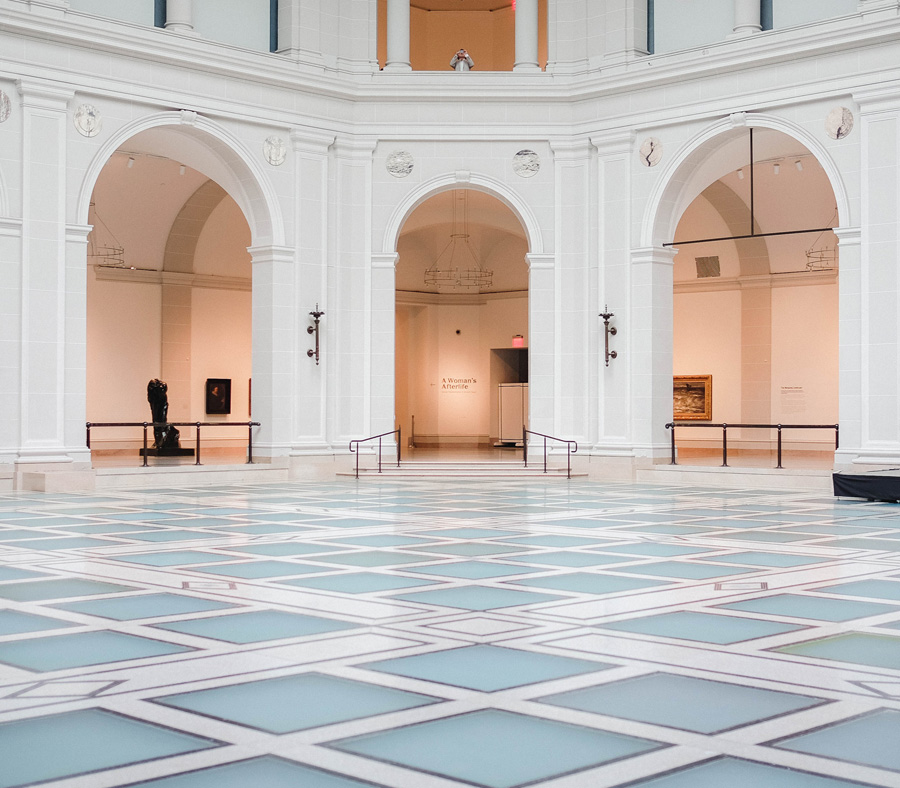
For generations, mainstream galleries have played a central role in presenting and selling art. Their clean white walls, carefully curated exhibitions, and formal atmosphere have become synonymous with the contemporary art experience.
Yet many artists and collectors are beginning to ask an important question:
Is the traditional gallery model enough?
While established galleries continue to contribute significantly to the art world, they often serve a limited segment of artists and audiences. Many talented creators struggle to secure representation, while potential collectors sometimes find gallery environments intimidating or inaccessible.
As a result, there is growing demand for an alternative to mainstream galleries in Delhi—spaces and platforms that encourage wider participation, experimentation, and artistic diversity.
Understanding the “White Cube”
The term “White Cube” refers to the conventional gallery model.
Characteristics include:
- White walls
- Minimalist presentation
- Formal exhibition structures
- Curatorial control
- Exclusive atmospheres
While these spaces can effectively highlight artwork, they may also create barriers between artists and audiences.
For emerging artists especially, access to these spaces can be difficult due to limited exhibition opportunities and intense competition.
Why Alternative Art Spaces Matter
Alternative art spaces provide opportunities for experimentation and inclusivity.
Rather than focusing solely on established artists, they often champion:
- Emerging creators
- Interdisciplinary projects
- Community engagement
- Diverse artistic voices
- Innovative exhibition formats
These environments encourage creativity without the constraints often associated with traditional institutions.
The Rise of Contemporary Art Platforms
One of the most influential forms of alternative space today is the digital platform.
A modern contemporary art platform Delhi allows artists to exhibit their work beyond physical limitations.
Benefits include:
Greater Accessibility
Anyone with internet access can explore exhibitions.
Diverse Representation
Artists from different backgrounds gain visibility.
Continuous Exposure
Unlike temporary exhibitions, digital showcases remain accessible year-round.
Broader Audience Reach
Collectors can discover artwork regardless of location.
These advantages have transformed how people interact with contemporary art.
How Ochre Art Creates an Alternative Space
As the art world evolves, platforms like Ochre Art are redefining what an exhibition space can be.
Rather than operating within the limitations of traditional gallery structures, Ochre Art functions as a dynamic platform that supports emerging and independent artists while making original artwork more accessible to collectors.
For many creators seeking an alternative art gallery in Delhi, Ochre Art provides opportunities to showcase their work to a wider audience without the barriers often associated with conventional galleries.
The platform encourages discovery, transparency, and artistic diversity—qualities that are increasingly important in today’s creative landscape.
Why Artists Are Looking Beyond Mainstream Galleries
Artists today want more than exhibition space.
They want:
- Visibility
- Creative freedom
- Direct audience engagement
- Fair opportunities
- Long-term growth
Alternative platforms help artists build sustainable careers without relying exclusively on traditional gatekeepers.
This shift is creating a more balanced and inclusive art ecosystem.
Mainstream Galleries vs Alternative Art Platforms
| Feature | Mainstream Galleries | Alternative Art Platforms |
| Artist Access | Highly Selective | More Inclusive |
| Audience Reach | Localized | Global |
| Exhibition Duration | Limited | Ongoing |
| Creative Freedom | Curator-Led | Artist-Friendly |
| Accessibility | Formal | Open and Welcoming |
| Emerging Artist Support | Limited | Strong Focus |
The growing popularity of alternative spaces reflects changing expectations within the art community.
Building a More Inclusive Art Culture
A healthy art ecosystem depends on diversity.
When only a small group of artists receives visibility, important voices and perspectives can be overlooked.
Alternative spaces help broaden participation by:
- Supporting emerging talent
- Encouraging experimentation
- Connecting artists and audiences directly
- Expanding access to original artwork
These contributions enrich both artistic culture and public engagement.
Frequently Asked Questions
Q1: What is an alternative art space?
An alternative art space is a platform or venue that operates outside traditional gallery structures, often focusing on accessibility and emerging talent.
Q2: Why are artists interested in alternative galleries?
They offer greater flexibility, broader exposure, and opportunities for creative experimentation.
Q3: Can digital platforms function as art galleries?
Yes. Many contemporary digital platforms successfully showcase, promote, and sell original artwork while supporting artists.
Q4: How do alternative spaces benefit collectors?
Collectors gain access to a wider variety of artists, styles, and price points.
Q5: Is Ochre Art considered an alternative art platform?
Yes. Ochre Art provides a contemporary approach to exhibiting and discovering original artwork while supporting emerging artists.
Conclusion
The future of art depends on creating spaces that are accessible, diverse, and welcoming. While traditional galleries remain important, alternative models are expanding opportunities for both artists and audiences.
For those searching for an alternative to mainstream galleries in Delhi, an alternative art gallery in Delhi, or a trusted contemporary art platform Delhi, platforms like Ochre Art are helping redefine how art is experienced and shared. By championing emerging talent and making original artwork more accessible, Ochre Art demonstrates why alternative art spaces are becoming an essential part of the contemporary art world.