
The art world has long been controlled by a small circle of gatekeepers — prestigious institutions, high-end dealers and invitation-only exhibitions. But things are changing. Alternative Art Galleries are quietly dismantling those old walls, opening doors for artists who were once told there was no room for them. Whether you’re an emerging painter, a self-taught sculptor, or a digital creator, the landscape looks very different today — and that’s something worth celebrating.
The Old System Wasn't Built for Everyone
Traditional galleries operate on a model that, while effective for some, has historically excluded many. Selection often depends on personal connections, formal art school credentials, or work that fits a narrow commercial mold. Artists from underrepresented communities, unconventional backgrounds, or experimental practices found themselves on the outside looking in — regardless of how talented they were.
This exclusivity didn’t just hurt artists. It limited what audiences got to experience, keeping art conversations within a tight, often homogenous bubble.
What Makes Alternative Galleries Different
Alternative art spaces operate with a different philosophy at their core. Instead of asking “will this sell?” the first question becomes “does this have something to say?” That shift in priority changes everything.
These spaces tend to embrace:
- Emerging and self-taught artists who lack institutional backing
- Experimental formats — installations, multimedia, performance-based work
- Community-driven programming that reflects local voices and cultures
- Transparent, accessible submission processes rather than closed networks
The result is a richer, more honest representation of what art actually looks like when it comes from real lives and real experiences.
Physical and Digital — Both Matter
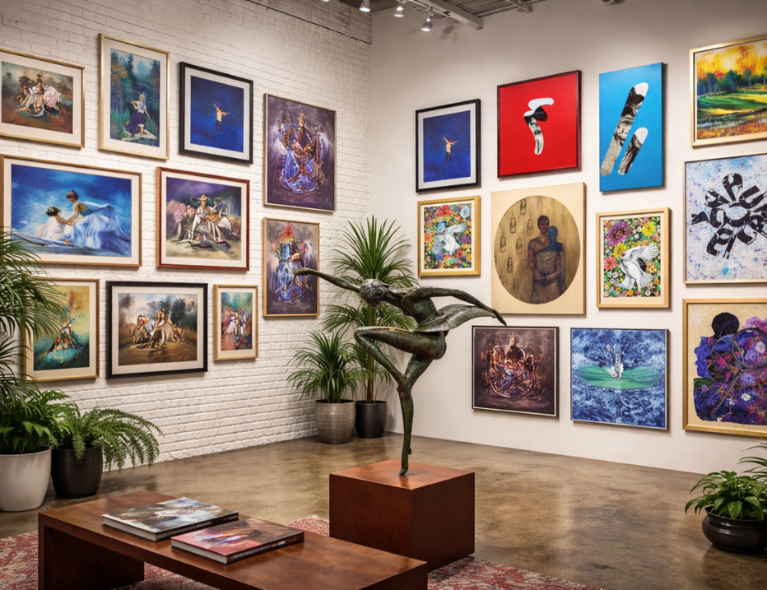
One of the most important things to understand about today’s alternative art scene is that it lives in two worlds simultaneously. Physical gallery spaces remain powerful. There’s something irreplaceable about standing in front of a canvas, feeling the texture of a sculpture, or walking through an installation that occupies real space. That physical encounter creates an emotional connection no screen can fully replicate.
But digital platforms have expanded access in a way that simply wasn’t possible before. Artists in smaller cities or rural areas can now reach collectors and curators across the world. Buyers who may never visit a gallery in person can discover work they genuinely connect with. Both channels serve real needs — and the best alternative galleries, like Ochre Art, recognize that embracing both is not a compromise. It’s a strength.
Whether you’re browsing online or walking into a physical space, the experience should feel personal, curated and meaningful.
Why This Shift Matters Beyond the Art World
When more artists get to show their work, more stories get told. Alternative galleries don’t just change who shows — they change what gets shown. Subject matter becomes more diverse. Techniques become more daring. Art starts reflecting the full complexity of human experience rather than a polished, market-friendly slice of it.
For collectors and art lovers, this is genuinely exciting. It means discovering work that feels fresh and unexpected. It means building a collection that reflects something real, not just something that looked like a safe investment.
For communities, it means having cultural spaces that feel like they actually belong to them.
FAQs About Alternative Art Galleries
1. What exactly is an alternative art gallery?
An alternative art gallery is any space — physical or digital — that operates outside the traditional commercial gallery system. These spaces prioritize artistic expression and community access over exclusivity and profit-driven curation.
2. Can I buy original artwork from alternative galleries?
Absolutely. Many alternative galleries, including online platforms, offer original works for purchase at a wide range of price points, making collecting more accessible than ever.
3. Are alternative galleries only for contemporary or modern art?
Not at all. While many lean toward contemporary work, alternative galleries span all styles and mediums — from traditional painting and printmaking to digital art and mixed media.
4. How do artists apply to show in alternative spaces?
Most alternative galleries have open or straightforward submission processes. Many accept online portfolio submissions, making it easier for artists anywhere in the world to apply without needing prior connections.
5. Is artwork from alternative galleries a good investment?
Emerging artists discovered through alternative spaces have gone on to significant careers and value appreciation. Beyond financial value, art is also a personal and cultural investment — which matters just as much.
Conclusion
The rise of alternative art galleries isn’t a trend — it’s a correction. It’s the art world slowly becoming what it always should have been: open, diverse and genuinely reflective of human creativity in all its forms. For artists, it means more paths to visibility. For collectors, it means more opportunities to find work that truly resonates. For communities, it means cultural spaces that feel like home.
Ochre Art is proud to be part of this movement — bridging physical and digital experiences to bring meaningful art and the people who make it to a wider, more deserving audience.